Broadcast as Comfort at Hassenfeld Children’s Hospital
How Skyline Studio uses Softron to extend programming beyond the live studio and keep content available to patients throughout the day and night.
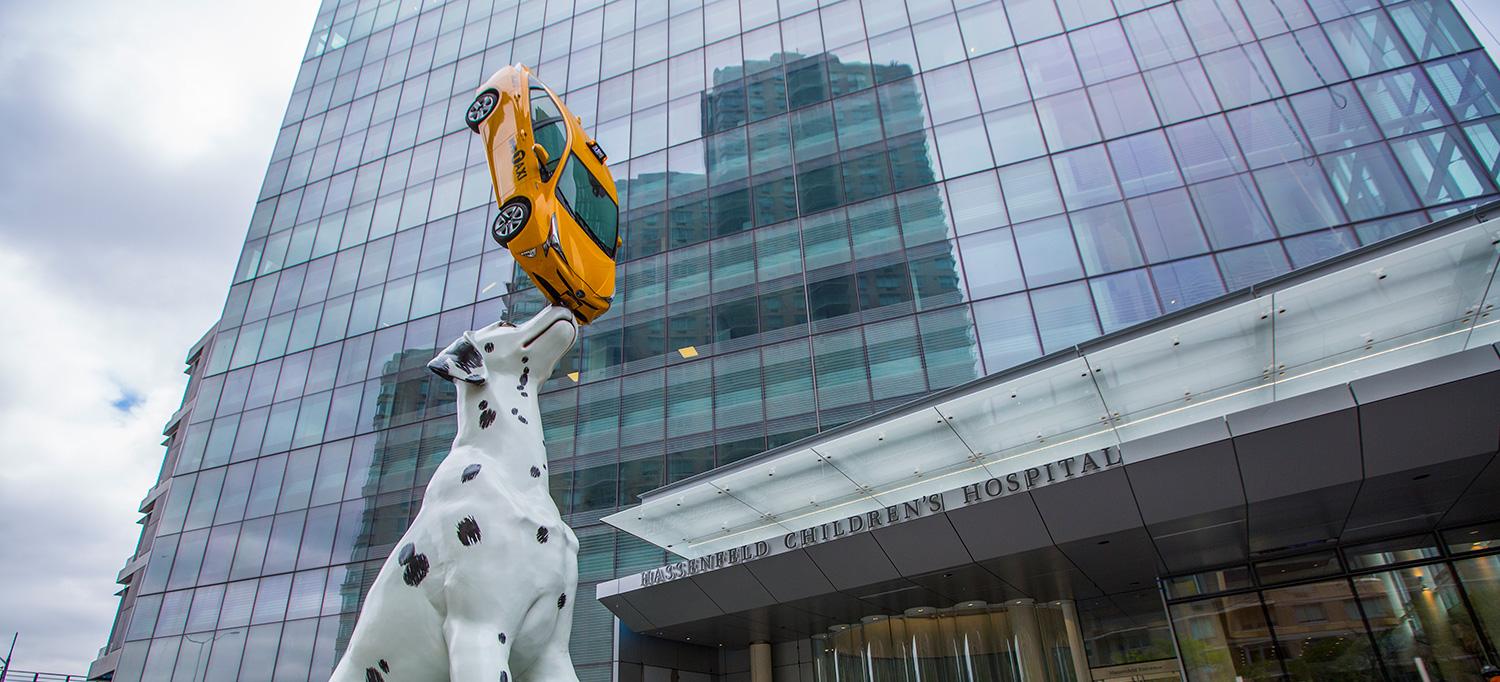
At Hassenfeld Children’s Hospital at NYU Langone Health, broadcasting serves a different kind of audience.
Located at the center of the two-floor children’s hospital, Skyline Studio creates live and recorded programming specifically for pediatric patients and their families. Interactive shows, games, educational programs, activities, and special events bring entertainment directly to patients throughout the hospital.
But the role of the studio goes beyond entertainment.
"Our programming is an important part of the patient experience, providing connection, entertainment, distraction, and a sense of normalcy during hospitalization," says Jennifer Weil, Child Life Patient Media Coordinator at Hassenfeld Children’s Hospital.
For children whose ages, needs, and medical circumstances can vary considerably, having programming available throughout their stay gives Skyline Studio another way to create moments of connection and familiarity.
And those moments don't always happen while the studio is staffed.
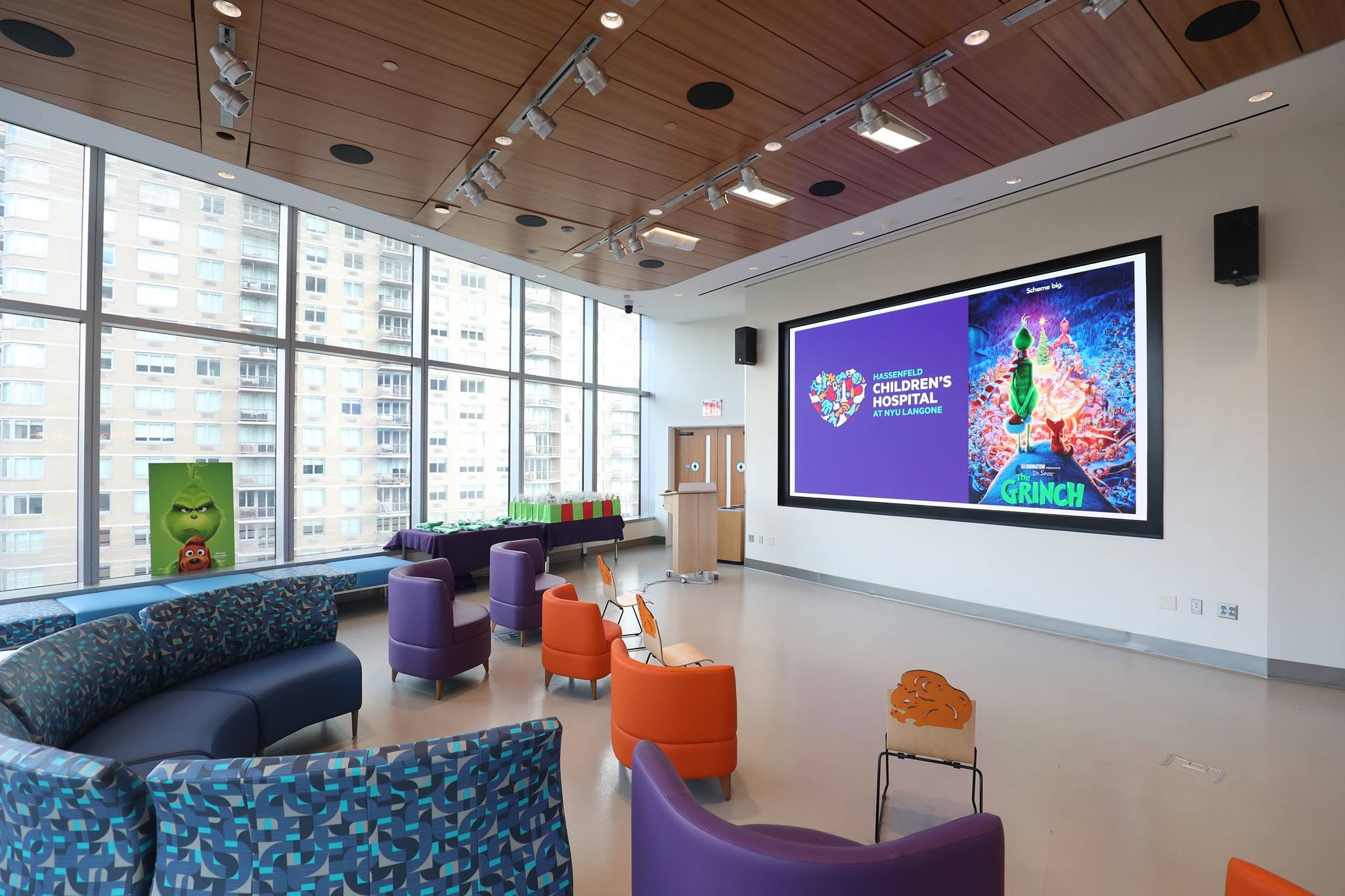
Extending the Studio Beyond the Live Broadcast
Skyline Studio produces live shows, special events, and on-demand content throughout the week, but programming needs to continue even when the studio isn’t actively broadcasting.
Previously, overnight programming meant keeping the studio’s TriCaster running beyond live production hours. Softron provided a way to separate the two workflows.
Today, Skyline Studio uses MovieRecorder to capture its live productions and OnTheAir Video to schedule and play prerecorded programming when the studio isn't live. That automation has become one of the most valuable parts of the workflow.
"We can keep programming available to patients even when our studio staff isn't actively broadcasting."
The result is a more efficient use of both people and equipment, while giving the team greater flexibility in how the studio itself is used.
Reliability Backed by People
Programming needs to be consistently available, making knowledgeable and responsive support an important part of the workflow.
"When you're broadcasting to patients in a hospital, you need to know that if something goes wrong, you can get help quickly from someone who understands the technology and the urgency of the situation."
Weil describes the Softron team as responsive, knowledgeable, and willing to work with Skyline Studio to find solutions specific to its needs.
When the Studio Is Empty
Automated playback has given Skyline Studio more flexibility in how it uses its staff and production equipment. But its impact extends beyond operational efficiency.
For Weil, one application in particular shows what keeping programming available beyond staffed hours can mean for patients and families:
"One of the most meaningful ways we’ve been able to use Softron is to extend our programming beyond our staffed hours. We’ve been able to schedule nightly prayers and spiritual ceremonies to play for our patients over weekends and holidays, when our studio staff is away. For families in the hospital, having access to these programs during those times can provide a sense of comfort, connection, and continuity. Softron makes it possible for us to continue offering that support without someone needing to be physically in the studio."